Drug-Inactivating Enzymes and Antibiotic Resistance
2nd International Symposium on Antibiotic Resistance Castle of Smolenice, Czechoslovakia 1974
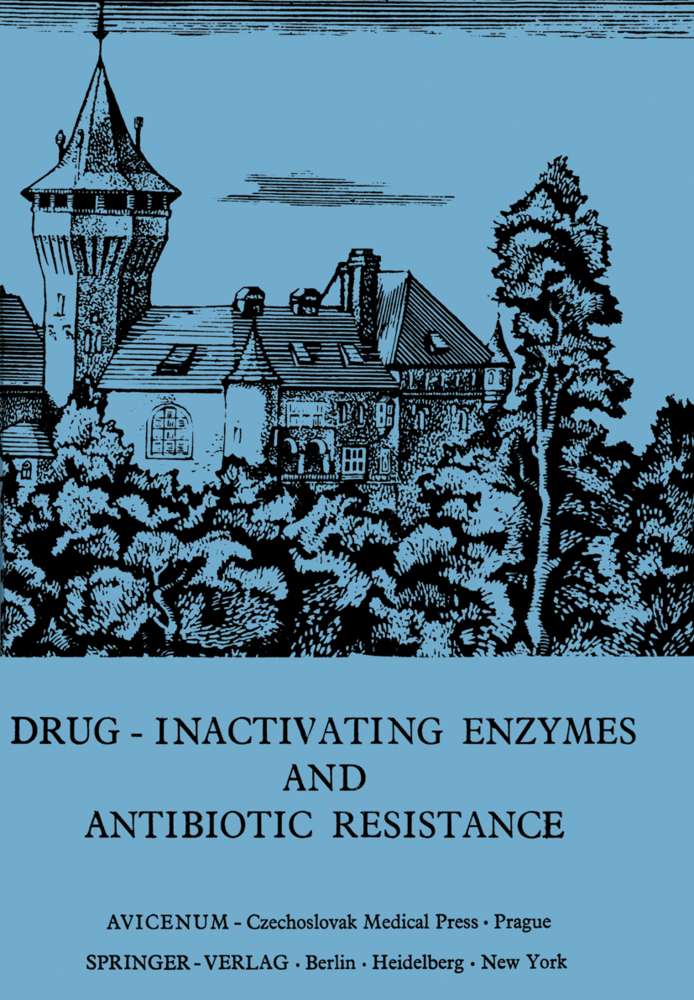
Drug-Inactivating Enzymes and Antibiotic Resistance
2nd International Symposium on Antibiotic Resistance Castle of Smolenice, Czechoslovakia 1974
It was an extraordinary pleasure for me, as the secretary general, to organise, with my collaborators, this Second International Symposium on Antibiotic Resistance in the Castle of Smolenice in Czechoslovakia. We all appreciated many offers all participants must have spent to attend this Symposium and we were glad to do our best to prepare this meeting in a suitable and convenient way. We gathered in Smolenice Castle after the significant International Congress on Che motherapy in September 1973 in Athens. We had the chance of getting acquainted, on that world-wide forum, with the latest information about bacterial resistance to anti biotics. It was possible at that Congress to outline main topics of interest in the field of bacterial resistance to antibiotics which then have been placed on the programme of the subsequent Smolenice Symposium. Undoubtedly, enzymatic mechanisms by which bacteria can inactivate older and newer antibacterial drugs and which can be transmitted and spread among bacterial strains, have both medical as well as theoretical priority. Dealing specially with Pseudomonas aeruginosa is highly urgent at present from the clinical, hygienical and genetical point of view. We have realised that antibiotics have ceased to be "magic bullets" which hit the microorganisms without discrimination. Today we urgently consider the question what should be done in the area of "antibiotic policy" to preserve the effectiveness of antibiotics for the future.
Gene Exchange Between Unrelated Plasmids
Nation-wide Survey of Antibiotic Resistance by means of a computer-Analysis of 200 000 strains isolated in 1973
I. Beta-lactam Antibiotics and Beta-Lactamases
TEM-like penicillinases in contemporary plasmids of Enterobacteriaceae and Pseudomonas. (Opening Lecture)
R factors and intrinsic resistance to penicillins. (Opening Lecture)
Mutation of R factors specifying hypersynthesis of beta-lactamase
Identification of beta-lactamases of Ps. aeruginosa by computerised microacidimetry
Oscillopolarographic detection of beta-lactamase activity
Temperature-sensitive induction for cephalosporinase synthesis in Escherichia freundii
Antibiotic resistance and betalactamases of E. coli between 1948 and 1968
A clinical isolate of E. coli possessing two betalactamases and an unusual resistance to beta-lactam antibiotics
Purification and properties of an unusual cephalosporinase specified by an R plasmid in E. coli
Comparison of the antibacterial activity of beta-lactam antibiotics and their resistance to hydrolysis by beta-lactamases
II. Aminoglycoside Antibiotics and Enzymes Involved in their Inactivation
History and development of biochemical mechanisms of Resistance to Aminoglycoside Antibiotics and their active derivatives. (Opening Lecture)
Proposal for a Rational Nomenclature for Phenotype, Genotype and Aminoglycoside-Aminocyclitol Modifying Enzymes
Some aspects of Antibiotic Resistance in Bacteria (Opening Lecture)
BB-K8 (Amikacin), a new semisynthetic Kanamycin derivative
Microbiological Aspects of Aminoglycoside Resistance
Comparative studies of antibacterial activity of various aminoglycoside antibiotics
Resistance of Moraxella to Tobramycin, Kanamycin and BB-K8
Mechanism of increased rate of appearance of highly streptomycin-resistant and chloramphenicol-resistant variants in E. coli R+
R factor to aminoglycoside antibiotics
Demonstration of a new type of an R plasmid in E. coli
III. Resistance to Other Drugs
Altered methylation of Ribosomal RNA in Erythromycin-resistant S. aureus. (Opening Lecture)
Some properties of phenotype in Tetracycline resistance. (Opening Lecture)
The relation of a Tetracycline-induced R factor membrane protein to tetracycline resistance
Tetracycline resistance unassociated with a change of cell wall permeability in E. coli
Uptake of Oxytetracycline and Minocycline by E. coli cells and their effect on Protein Synthesis
Mode of Action of Curing Compounds
Effects of some biologically active compounds on the antibiotics resistance in microorganisms
Plasmid-mediated tetracycline and erythromycin resistance in group D streptococcus (abstract)
Erythromycin and resistance transfer factors in the intestinal tract
Rifampicin sensitivity of clinical staphylococcal strains and development of resistance during rifampicin therapy
IV. Antibiotic Resistance in Ps. aeruginosa
Genetic Basis of Drug Resistance in Pseudomonas aeruginosa. (Opening Lecture)
R plasmids determining gentamicin or tobramycin resistance in Ps. aeruginosa
Gentamicin resistance in Ps. aeruginosa: II. Non-transferable gentamicin resistance
Broad host range drug resistance plasmid associated cell wall alterations and their relationship to phage sensitivity
Epidemiological tracing of Ps. aeruginosa by pyocin typing
Transmissible high-level resistance to gentamicin in Ps. aeruginosa
Demonstration of R plasmids from Ps. aeruginosa isolated in Frankfurt
V. Ecology, Epidemiology and Nosocomial Problems of Antibiotic Resistance
Epidemiology of Drug Resistance in Hospitals (Opening Lecture)
Studies on the drug resistance of S. aureus and E. coli
Formation of F'tet plasmids and fertility inhibition in F+ Proteus mirabilis strains
Characterisation on the
'Introductory Lectures
Contribution of Bacterial Genetics to ChemotherapyGene Exchange Between Unrelated Plasmids
Nation-wide Survey of Antibiotic Resistance by means of a computer-Analysis of 200 000 strains isolated in 1973
I. Beta-lactam Antibiotics and Beta-Lactamases
TEM-like penicillinases in contemporary plasmids of Enterobacteriaceae and Pseudomonas. (Opening Lecture)
R factors and intrinsic resistance to penicillins. (Opening Lecture)
Mutation of R factors specifying hypersynthesis of beta-lactamase
Identification of beta-lactamases of Ps. aeruginosa by computerised microacidimetry
Oscillopolarographic detection of beta-lactamase activity
Temperature-sensitive induction for cephalosporinase synthesis in Escherichia freundii
Antibiotic resistance and betalactamases of E. coli between 1948 and 1968
A clinical isolate of E. coli possessing two betalactamases and an unusual resistance to beta-lactam antibiotics
Purification and properties of an unusual cephalosporinase specified by an R plasmid in E. coli
Comparison of the antibacterial activity of beta-lactam antibiotics and their resistance to hydrolysis by beta-lactamases
II. Aminoglycoside Antibiotics and Enzymes Involved in their Inactivation
History and development of biochemical mechanisms of Resistance to Aminoglycoside Antibiotics and their active derivatives. (Opening Lecture)
Proposal for a Rational Nomenclature for Phenotype, Genotype and Aminoglycoside-Aminocyclitol Modifying Enzymes
Some aspects of Antibiotic Resistance in Bacteria (Opening Lecture)
BB-K8 (Amikacin), a new semisynthetic Kanamycin derivative
Microbiological Aspects of Aminoglycoside Resistance
Comparative studies of antibacterial activity of various aminoglycoside antibiotics
Resistance of Moraxella to Tobramycin, Kanamycin and BB-K8
Mechanism of increased rate of appearance of highly streptomycin-resistant and chloramphenicol-resistant variants in E. coli R+
R factor to aminoglycoside antibiotics
Demonstration of a new type of an R plasmid in E. coli
III. Resistance to Other Drugs
Altered methylation of Ribosomal RNA in Erythromycin-resistant S. aureus. (Opening Lecture)
Some properties of phenotype in Tetracycline resistance. (Opening Lecture)
The relation of a Tetracycline-induced R factor membrane protein to tetracycline resistance
Tetracycline resistance unassociated with a change of cell wall permeability in E. coli
Uptake of Oxytetracycline and Minocycline by E. coli cells and their effect on Protein Synthesis
Mode of Action of Curing Compounds
Effects of some biologically active compounds on the antibiotics resistance in microorganisms
Plasmid-mediated tetracycline and erythromycin resistance in group D streptococcus (abstract)
Erythromycin and resistance transfer factors in the intestinal tract
Rifampicin sensitivity of clinical staphylococcal strains and development of resistance during rifampicin therapy
IV. Antibiotic Resistance in Ps. aeruginosa
Genetic Basis of Drug Resistance in Pseudomonas aeruginosa. (Opening Lecture)
R plasmids determining gentamicin or tobramycin resistance in Ps. aeruginosa
Gentamicin resistance in Ps. aeruginosa: II. Non-transferable gentamicin resistance
Broad host range drug resistance plasmid associated cell wall alterations and their relationship to phage sensitivity
Epidemiological tracing of Ps. aeruginosa by pyocin typing
Transmissible high-level resistance to gentamicin in Ps. aeruginosa
Demonstration of R plasmids from Ps. aeruginosa isolated in Frankfurt
V. Ecology, Epidemiology and Nosocomial Problems of Antibiotic Resistance
Epidemiology of Drug Resistance in Hospitals (Opening Lecture)
Studies on the drug resistance of S. aureus and E. coli
Formation of F'tet plasmids and fertility inhibition in F+ Proteus mirabilis strains
Characterisation on the
Login
Mitsuhashi, S.
Rosival, L.
Krcmery, V.
| ISBN | 9783642660641 |
|---|---|
| Media type | Book |
| Copyright year | 2014 |
| Publisher | Springer, Berlin |
| Length | 495 pages |
| Illustrations | XIII, 495 p. 35 illus. |
| Language | English |