Computational Organometallic Chemistry

Computational Organometallic Chemistry
€106.99*

available, deliverable in approx. 2-4 working days

If you require delivery outside DE, AT or CH, please use our contact form for an inquiry.

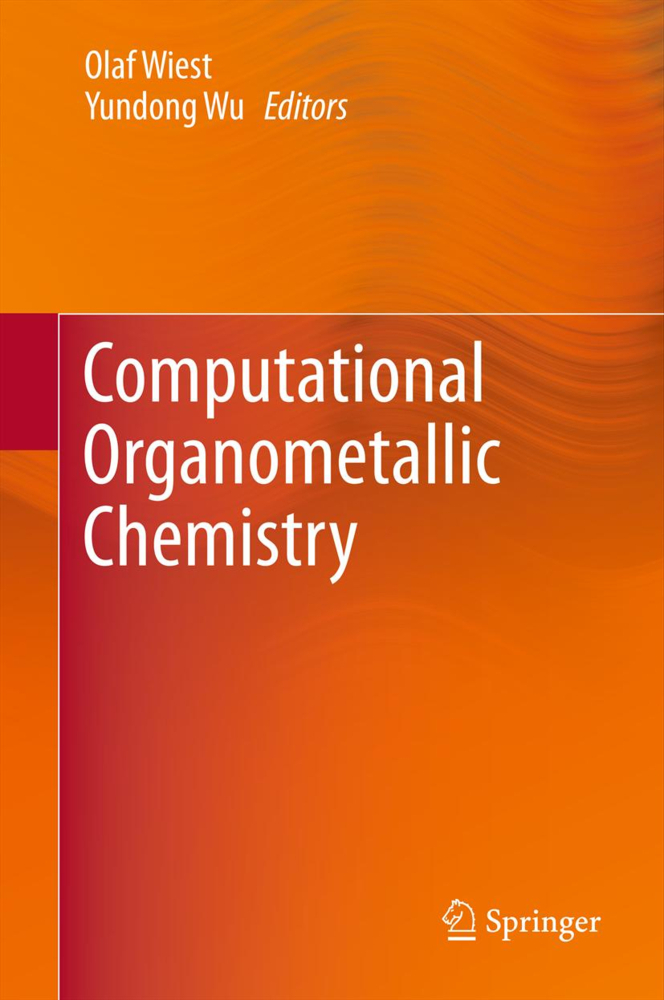
Computational methods have become an indispensible tool for elucidating the mechanism of organometallic reactions. This snapshot of state-of-the-art computational studies provides an overview of the vast field of computational organometallic chemistry. Authors from Asia, Europe and the US have been selected to contribute a chapter on their specialist areas. Topics addressed include: DFT studies on zirconium-mediated reactions, force field methods in organometallic chemistry, hydrogenation of pi-systems, oxidative functionalization of unactivated C-H bonds and olefins, the osmylation reaction, and cobalt carbonyl clusters. The breadth and depth of the contributions demonstrate not only the crucial role that computational methods play in the study of a wide range of organometallic reactions, but also attest the robust health of the field, which continues to benefit from, as well as inspire novel experimental studies.


DFT Studies on Zirconium-Mediated Reactions

Computational Organometallic Chemistry with Force Fields
New insights onto the molecular mechanism of H2 activation
Transition Metal-Catalyzed Hydrogenations
Mechanistic insights into selective oxidation of light alkanes by transition metal compounds/complexes
Computational Studies on Osmium Catalyzed Olefin Oxidation Reactions
Reactivity of Metal Carbene Clusters PtnCH2+ and PtMCH2+ (M=Cu, Ag, Au, Pt, Rh) toward O2 and NH3: A Computational Study
Cobalt Catalyzed Hydroformylation and Cobalt Carbonyl Clusters: Recent Computational Studies.


ISBN 978-3-642-25257-0
Media type Book
Copyright year 2012
Publisher Springer, Berlin
Length VIII, 256 pages
Language English