Pediatric Dysphagia
Challenges and Controversies
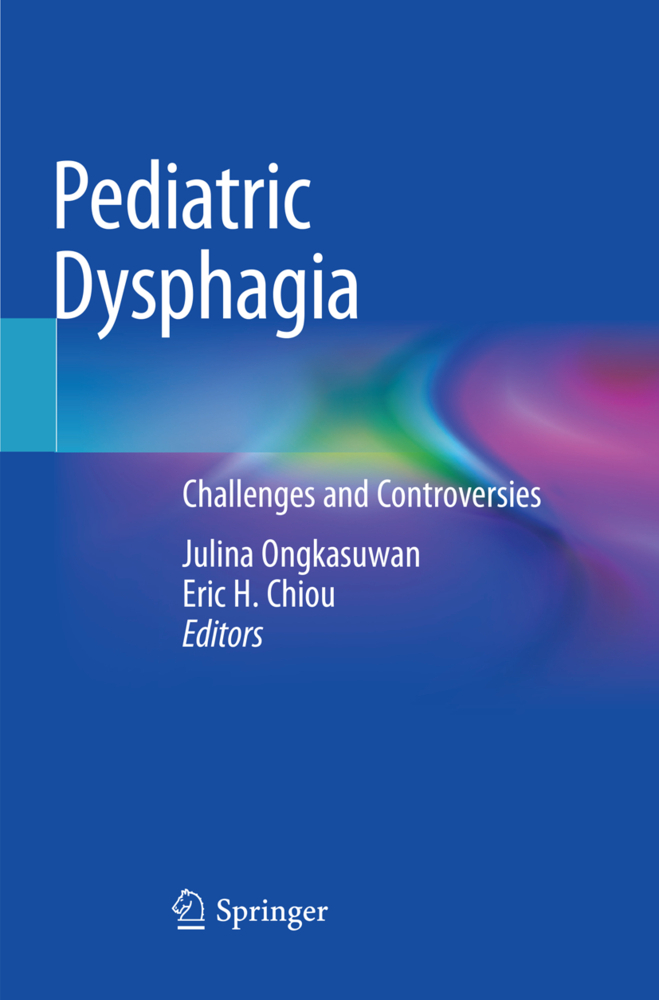
Pediatric Dysphagia
Challenges and Controversies
Pediatric dysphagia is a clinical problem that crosses disciplines. Children may be seen by numerous medical specialties including pediatric otolaryngology, gastroenterology, pulmonology, speech pathology, occupational therapy, and lactation consultants. The myriad approaches to the diagnosis and management of dysphagia is confusing for both clinicians and families; resulting in recurrent trips to medical professionals. Feeding is integral to socialization and to bonding between infants and parents. Disruptions in feeding development can be extremely taxing emotionally and economically for families. Children with dysphagia are some of the most challenging patients even for clinicians who specialize in their care.
This text provides the reader with a comprehensive understanding of swallowing and presents a practical, evidence-based approach to the diagnosis and management of swallowing difficulties in children. It also highlights particular clinical challenges and controversies in the management of pediatric dysphagia. It is unique in that it incorporates the perspectives of multiple types of clinicians that care for these patients including otolaryngologists, gastroenterologists, pulmonologists, speech pathologists, occupational therapists and lactation consultants. In doing so, this text will encourage cross-specialty pollination of ideas and knowledge as well as stimulate further research in the field.
Part 1 of the text begins with an overview of the anatomy and physiology of swallowing with a focus on normal development as we currently understand it. It also discusses new information regarding reflexive interactions between the larynx and esophagus that potentially influence swallowing. It then moves on to a discussion of the advantages and limitations of currently available diagnostic modalities and highlights current controversies regarding frame rate, radiation exposure, breastfeeding infants, and grading of studies. Additionally, it reviews the current literature regarding medical and behavioral-based therapy options, including thickening options, oromotor therapy, and controversies concerning strict NPO.
Part 2 addresses specific diagnoses which can cause or be associated with dysphagia such as prematurity, velopharyngeal insufficiency, ankyloglossia, laryngeal clefts, laryngomalacia, vocal fold paralysis, and cricopharyngeal dysfunction. The text goes on to explore the pathophysiology and treatment options for each. Anatomic, inflammatory, and neuromuscular esophageal causes of dysphagia are also evaluated. In addition, it delves into the impact of craniofacial anomalies, sialorrhea and psychological factors on swallowing. Finally, it discusses how a multidisciplinary aerodigestive team can help streamline multidisciplinary care for individual patients. It will incorporate information pertinent to the different roles, tools and views of a multidisciplinary dysphagia team, including how pediatric otolaryngologists, gastroenterologists, pulmonologists, speech language pathologists, occupational therapists, and dieticians can collaborate to provide optimal evaluation and care of these often challenging patients, especially for those who are at high-risk of complications related to aspiration.
Maturation of Infant Oral Feeding Skills
Clinical Evaluation of Breastfed Infants with Dysphagia: A Lactation Consultant's Perspective
Clinical Feeding-Swallow Evaluation: Overview for the Healthcare Provider
The Videofluroscopic Swallow Study: A Basic Introduction for the Healthcare Provider
Who Should Pass the Endoscope During a Fiberoptic Evaluation of Swallowing Procedure
Fiberoptic Endoscopic Evaluation of Swallowing: Assessing Dysphagia in the Breastfeeding Patient
Use of Bronchoscopy and Bronchoalveolar Lavage in the Evaluation of Chronic Pulmonary Aspiration
Diagnosis and Treatment of pediatric Dysphagia: Radiography
Oromotor Therapy
Adaptive Feeding Techniques and Positioning: An Occupational Therapist's Perspective
Treatment for Dysphagia: A Speech Language Pathologist's Perspective
Section II: Special Topics and Controversies in Pediatric Dysphagia
Ankyloglossia
Laryngeal Cleft
Laryngomalacia, Supraglottoplasty & Feeding and Swallowing Disorders: Is there an Association?
Vocal Fold Paralysis and Dysphagia: Challenges and Controversies
Cricopharyngeal Dysfunction in Children
Esophageal Dyphagia
Impact of Non-Oral Feeding Methods on Feeding Development
Secretion Management
Dysphagia in Patients with Craniofacial Anomalies
Psychological and Behavioral Disorders in Dysfunctional Feeding: Identification and Management
The Role of a Multi-Disciplinary Aerodigestive Program.
This text provides the reader with a comprehensive understanding of swallowing and presents a practical, evidence-based approach to the diagnosis and management of swallowing difficulties in children. It also highlights particular clinical challenges and controversies in the management of pediatric dysphagia. It is unique in that it incorporates the perspectives of multiple types of clinicians that care for these patients including otolaryngologists, gastroenterologists, pulmonologists, speech pathologists, occupational therapists and lactation consultants. In doing so, this text will encourage cross-specialty pollination of ideas and knowledge as well as stimulate further research in the field.
Part 1 of the text begins with an overview of the anatomy and physiology of swallowing with a focus on normal development as we currently understand it. It also discusses new information regarding reflexive interactions between the larynx and esophagus that potentially influence swallowing. It then moves on to a discussion of the advantages and limitations of currently available diagnostic modalities and highlights current controversies regarding frame rate, radiation exposure, breastfeeding infants, and grading of studies. Additionally, it reviews the current literature regarding medical and behavioral-based therapy options, including thickening options, oromotor therapy, and controversies concerning strict NPO.
Part 2 addresses specific diagnoses which can cause or be associated with dysphagia such as prematurity, velopharyngeal insufficiency, ankyloglossia, laryngeal clefts, laryngomalacia, vocal fold paralysis, and cricopharyngeal dysfunction. The text goes on to explore the pathophysiology and treatment options for each. Anatomic, inflammatory, and neuromuscular esophageal causes of dysphagia are also evaluated. In addition, it delves into the impact of craniofacial anomalies, sialorrhea and psychological factors on swallowing. Finally, it discusses how a multidisciplinary aerodigestive team can help streamline multidisciplinary care for individual patients. It will incorporate information pertinent to the different roles, tools and views of a multidisciplinary dysphagia team, including how pediatric otolaryngologists, gastroenterologists, pulmonologists, speech language pathologists, occupational therapists, and dieticians can collaborate to provide optimal evaluation and care of these often challenging patients, especially for those who are at high-risk of complications related to aspiration.
Section I: Diagnosis and Treatment of Pediatric Dysphagia
Embryology and AnatomyMaturation of Infant Oral Feeding Skills
Clinical Evaluation of Breastfed Infants with Dysphagia: A Lactation Consultant's Perspective
Clinical Feeding-Swallow Evaluation: Overview for the Healthcare Provider
The Videofluroscopic Swallow Study: A Basic Introduction for the Healthcare Provider
Who Should Pass the Endoscope During a Fiberoptic Evaluation of Swallowing Procedure
Fiberoptic Endoscopic Evaluation of Swallowing: Assessing Dysphagia in the Breastfeeding Patient
Use of Bronchoscopy and Bronchoalveolar Lavage in the Evaluation of Chronic Pulmonary Aspiration
Diagnosis and Treatment of pediatric Dysphagia: Radiography
Oromotor Therapy
Adaptive Feeding Techniques and Positioning: An Occupational Therapist's Perspective
Treatment for Dysphagia: A Speech Language Pathologist's Perspective
Section II: Special Topics and Controversies in Pediatric Dysphagia
Ankyloglossia
Laryngeal Cleft
Laryngomalacia, Supraglottoplasty & Feeding and Swallowing Disorders: Is there an Association?
Vocal Fold Paralysis and Dysphagia: Challenges and Controversies
Cricopharyngeal Dysfunction in Children
Esophageal Dyphagia
Impact of Non-Oral Feeding Methods on Feeding Development
Secretion Management
Dysphagia in Patients with Craniofacial Anomalies
Psychological and Behavioral Disorders in Dysfunctional Feeding: Identification and Management
The Role of a Multi-Disciplinary Aerodigestive Program.
Anmelden
Ongkasuwan, Julina
Chiou, Eric H.
| ISBN | 978-3-030-07286-5 |
|---|---|
| Medientyp | Buch |
| Copyrightjahr | 2019 |
| Verlag | Springer, Berlin |
| Umfang | XI, 316 Seiten |
| Abbildungen | XI, 316 p. 60 illus., 38 illus. in color. |
| Sprache | Englisch |