Peripheral Nerve Lesions
Peripheral Nerve Lesions
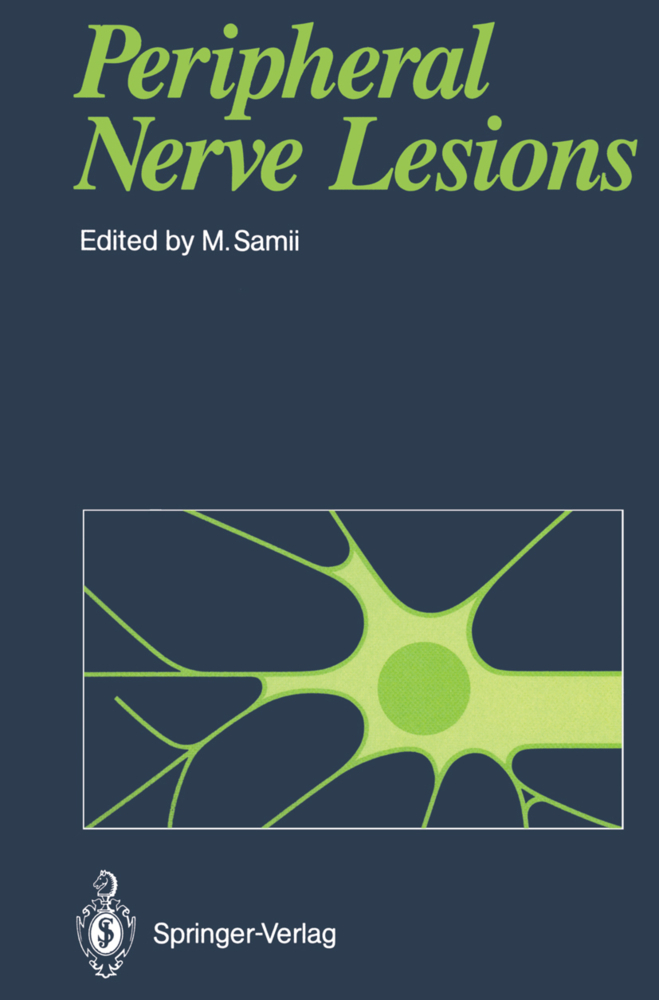
The introduction of the operating microscope as a surgical tool revolutionized the treatment of peripheral nerve lesions. A new era thus began in the early 1960s, which led to a substantial improvement in the management of nerve lesions. The results of nerve grafting techniques have demonstrated that, independent of the length of the defect, lesions can be successfully bridged. The free tissue transplants with microvascular anastomosis have also opened new, rewarding possibilities for peripheral nerve reconstruction procedures, facilitating the achievement not only of satisfactory anatomical but also of satisfactory fUhctional results. In order to evaluate the state of the art and reflect retrospectively on 25 years of microneurosurgical treatment of peripheral nerves, numerous outstanding scientists and clinicosurgical physicians were invited to Hanover in order to exchange their viewpoints and experiences. An active und fruitful discussion resulted which dealt with the many aspects of anatomy, pathology, clinical and neuro physiology, diagnosis, and with the surgery and physiotherapy which constitute modern-day peripheral nerve lesion treatment. The excit ing ongoing experimental and clinical activities have led us to support the wish and idea to publish the scientific exchange which took place during the Hanover symposium. I truly believe that the articles presented in this book cover so many interesting subjects concerned with peripheral nerve lesions that the book will serve the interested and dedicated physician involved with such cases as a reference work for the basics and also provide him with the therapeutic guidelines to assist him in his daily work.
The Response of Sensory Ganglia and Spinal Cord to Injury
Pathomorphology of Regenerating Peripheral Nerves
Role of Neurotrophic Factors in Peripheral Nerve Regeneration
Electrophysiological Changes Due to Motor Nerve Injury
Somatosensory Regeneration Following Peripheral Nerve Injury
The Contribution of Both the Peripheral and Central Nervous Systems to the Pain that Follows Peripheral Nerve Injury
Clinical Symptoms, Electrophysiological and Morphological Findings in Traumatic Lesions of the Ischiadic Nerve in Domestic Fowl
Regeneration of Peripheral Nerves by Means of Muscle and Nerve Transplants
Motor Recovery After Delayed Nerve Suture
Stimulation of Nerve Axon Outgrowth by Means of Fibrin Adhesive with Added Melanotropic Neuropeptide
Nerve Regeneration in the Centrocentral Anastomosis
Biochemical Manipulation of the Microenvironment in Experimental Nerve Regeneration Chambers
Experimental Repair of Peripheral Nerve Injury Using Venous Autograft
Experimental Nerve Regeneration under a Vein Graft in the Rat
Rejection of Allogenic Nerve Grafts in a Genetic Model of the Rat
Spinal Nerve Lesion and its Regeneration with and without Nerve Suture: An Experimental Study in Rats
Limitation of Neuroma Formation by Fat Tissue
The Blood-Nerve Barrier in Peripheral Nerve Injury, Repair, and Regeneration
Revascularization of Free Autologous Nerve Grafts
Vascularization of the Peripheral Nerve After Epineural Suture
Vascularization of the Peripheral Nerve in Laboratory Animals
Primate Peripheral Nerve Anastomosis with CO2 Laser
Laser-Assisted Sciatic Nerve Anastomoses and Transplants
Some Ultrastructural Aspects of Regeneration in 1.32 ?m Nd:YAG Laser-Assisted Peripheral Nerve Transplantation
Experimental Peripheral Nerve Crush Lesion. I. Posttraumatic Metabolic Responses of Spinal Motoneurons Over Time
Experimental Peripheral Nerve Crush Lesion. II. Short-Term Reinnervation Changes in Fast Muscle Fibers
Structural Changes of the Peripheral Nerve After Pressure Lesions in the Domestic Fowl
Computed Tomography in Peripheral Nerve Pathology
Initial Experiences with MRI in the Diagnosis of Peripheral Nerve Lesions
Modern Imaging Procedures in Peripheral Nerve Lesions
Success of Sensory Evoked Potentials in Patients with Median Compression Syndrome and Additional Neuropathy
Intraoperative Analysis of the Function of Peripheral Nerves with Sensory Evoked Potentials
Functional Changes of Single Motor Units After Nerve Suture
Outcome of Clinical Function in Relation to Motor, Sensory Nerve Conduction, Somatosensory Evoked Potentials, and EMG After Suture of Median and Ulnar Nerves
Intraoperative Somatosensory Evoked Potential Diagnoses in Brachial Plexus Lesions
Postoperative Changes in Nerve Conduction Times After Neurolysis of the Distal Median Nerve
Outcome of Traumatic Peripheral Neuromas After Microsurgical Procedure
Femoral Nerve Lesion in Surgery of the Hip
Isolated Traumatic Nerve Lesions of the Extensor Pollicis Longus and Brevis Muscles
Peripheral Nerve Involvement in Recklinghausen's Disease
Clinical Aspects of Entrapment Neuropathies of Peripheral Nerves
Evaluation of the Various Routine Neurophysiological Parameters in Diagnosis of Carpal Tunnel Syndrome
Relationships between Preoperative Symptoms, Electrophysiological and Intraoperative Findings, and the Outcome in Patients with Carpal Tunnel Syndrome
Morphological and PathogeneticConsiderations in Entrapment Syndromes
Pitfalls in Surgery for Carpal Tunnel Syndrome
Carpal Tunnel Syndrome: A New Surgical Approach
Anatomical Anomalies Causing Ulnar Neuropathy
Neurolysis in Ulnar Nerve Entrapment Syndromes
Thoracic-Outlet Syndrome: Limitations of the Neurophysiological Diagnosis
Diagnosis and Surgical Management of the Thoracic-Outlet Syndrome
Retroperitoneal Hematoma with Femoral Neuralgia
Timing Surgery in Nerve Lesions
Neurolysis
Free Vascularized Nerve Grafts
Caution in the Evaluation of Results of Peripheral Nerve Surgery
Microsurgical Repair of Peripheral Nerve Lesions: A Study of 150 Injuries of the Median and Ulnar Nerves
Brachial Plexus Lesions
Operative Experience with Tumors of the Brachial Plexus
Neurotization of the Avulsed Brachial Plexus
Special Considerations Regarding the Treatment of Brachial Plexus Lesions
Schwannomas of the Brachial Plexus
Results of Brachial Plexus Surgery
Selection of Brachial Plexus Cases for Operation - Based on Results
Free Greater Omentum Transfer After Neurolysis for Actinic (X-Ray) Lesions of the Brachial Plexus
Dorsal Root Entry Zone Lesions for the Treatment of Post-Brachial Plexus Avulsion Injury Pain
Dorsal Root Entry Zone Coagulation for Control of Intractable Pain Due to Brachial Plexus Injury
Postoperative Treatment in Nerve Lesions
Results of Brachial Plexus Surgery: Secondary Reconstruction.
Cellular Biology of the Experimental Peripheral Nerve Lesion
Muscle Response to Changes in InnervationThe Response of Sensory Ganglia and Spinal Cord to Injury
Pathomorphology of Regenerating Peripheral Nerves
Role of Neurotrophic Factors in Peripheral Nerve Regeneration
Electrophysiological Changes Due to Motor Nerve Injury
Somatosensory Regeneration Following Peripheral Nerve Injury
The Contribution of Both the Peripheral and Central Nervous Systems to the Pain that Follows Peripheral Nerve Injury
Clinical Symptoms, Electrophysiological and Morphological Findings in Traumatic Lesions of the Ischiadic Nerve in Domestic Fowl
Regeneration of Peripheral Nerves by Means of Muscle and Nerve Transplants
Motor Recovery After Delayed Nerve Suture
Stimulation of Nerve Axon Outgrowth by Means of Fibrin Adhesive with Added Melanotropic Neuropeptide
Nerve Regeneration in the Centrocentral Anastomosis
Biochemical Manipulation of the Microenvironment in Experimental Nerve Regeneration Chambers
Experimental Repair of Peripheral Nerve Injury Using Venous Autograft
Experimental Nerve Regeneration under a Vein Graft in the Rat
Rejection of Allogenic Nerve Grafts in a Genetic Model of the Rat
Spinal Nerve Lesion and its Regeneration with and without Nerve Suture: An Experimental Study in Rats
Limitation of Neuroma Formation by Fat Tissue
The Blood-Nerve Barrier in Peripheral Nerve Injury, Repair, and Regeneration
Revascularization of Free Autologous Nerve Grafts
Vascularization of the Peripheral Nerve After Epineural Suture
Vascularization of the Peripheral Nerve in Laboratory Animals
Primate Peripheral Nerve Anastomosis with CO2 Laser
Laser-Assisted Sciatic Nerve Anastomoses and Transplants
Some Ultrastructural Aspects of Regeneration in 1.32 ?m Nd:YAG Laser-Assisted Peripheral Nerve Transplantation
Experimental Peripheral Nerve Crush Lesion. I. Posttraumatic Metabolic Responses of Spinal Motoneurons Over Time
Experimental Peripheral Nerve Crush Lesion. II. Short-Term Reinnervation Changes in Fast Muscle Fibers
Structural Changes of the Peripheral Nerve After Pressure Lesions in the Domestic Fowl
Computed Tomography in Peripheral Nerve Pathology
Initial Experiences with MRI in the Diagnosis of Peripheral Nerve Lesions
Modern Imaging Procedures in Peripheral Nerve Lesions
Success of Sensory Evoked Potentials in Patients with Median Compression Syndrome and Additional Neuropathy
Intraoperative Analysis of the Function of Peripheral Nerves with Sensory Evoked Potentials
Functional Changes of Single Motor Units After Nerve Suture
Outcome of Clinical Function in Relation to Motor, Sensory Nerve Conduction, Somatosensory Evoked Potentials, and EMG After Suture of Median and Ulnar Nerves
Intraoperative Somatosensory Evoked Potential Diagnoses in Brachial Plexus Lesions
Postoperative Changes in Nerve Conduction Times After Neurolysis of the Distal Median Nerve
Outcome of Traumatic Peripheral Neuromas After Microsurgical Procedure
Femoral Nerve Lesion in Surgery of the Hip
Isolated Traumatic Nerve Lesions of the Extensor Pollicis Longus and Brevis Muscles
Peripheral Nerve Involvement in Recklinghausen's Disease
Clinical Aspects of Entrapment Neuropathies of Peripheral Nerves
Evaluation of the Various Routine Neurophysiological Parameters in Diagnosis of Carpal Tunnel Syndrome
Relationships between Preoperative Symptoms, Electrophysiological and Intraoperative Findings, and the Outcome in Patients with Carpal Tunnel Syndrome
Morphological and PathogeneticConsiderations in Entrapment Syndromes
Pitfalls in Surgery for Carpal Tunnel Syndrome
Carpal Tunnel Syndrome: A New Surgical Approach
Anatomical Anomalies Causing Ulnar Neuropathy
Neurolysis in Ulnar Nerve Entrapment Syndromes
Thoracic-Outlet Syndrome: Limitations of the Neurophysiological Diagnosis
Diagnosis and Surgical Management of the Thoracic-Outlet Syndrome
Retroperitoneal Hematoma with Femoral Neuralgia
Timing Surgery in Nerve Lesions
Neurolysis
Free Vascularized Nerve Grafts
Caution in the Evaluation of Results of Peripheral Nerve Surgery
Microsurgical Repair of Peripheral Nerve Lesions: A Study of 150 Injuries of the Median and Ulnar Nerves
Brachial Plexus Lesions
Operative Experience with Tumors of the Brachial Plexus
Neurotization of the Avulsed Brachial Plexus
Special Considerations Regarding the Treatment of Brachial Plexus Lesions
Schwannomas of the Brachial Plexus
Results of Brachial Plexus Surgery
Selection of Brachial Plexus Cases for Operation - Based on Results
Free Greater Omentum Transfer After Neurolysis for Actinic (X-Ray) Lesions of the Brachial Plexus
Dorsal Root Entry Zone Lesions for the Treatment of Post-Brachial Plexus Avulsion Injury Pain
Dorsal Root Entry Zone Coagulation for Control of Intractable Pain Due to Brachial Plexus Injury
Postoperative Treatment in Nerve Lesions
Results of Brachial Plexus Surgery: Secondary Reconstruction.
Anmelden
Samii, M.
| ISBN | 978-3-642-75613-9 |
|---|---|
| Medientyp | Buch |
| Copyrightjahr | 2011 |
| Verlag | Springer, Berlin |
| Umfang | XVII, 465 Seiten |
| Abbildungen | XVII, 465 p. |
| Sprache | Englisch |