The Beginnings of Cancer in the Cell
An Interdisciplinary Approach
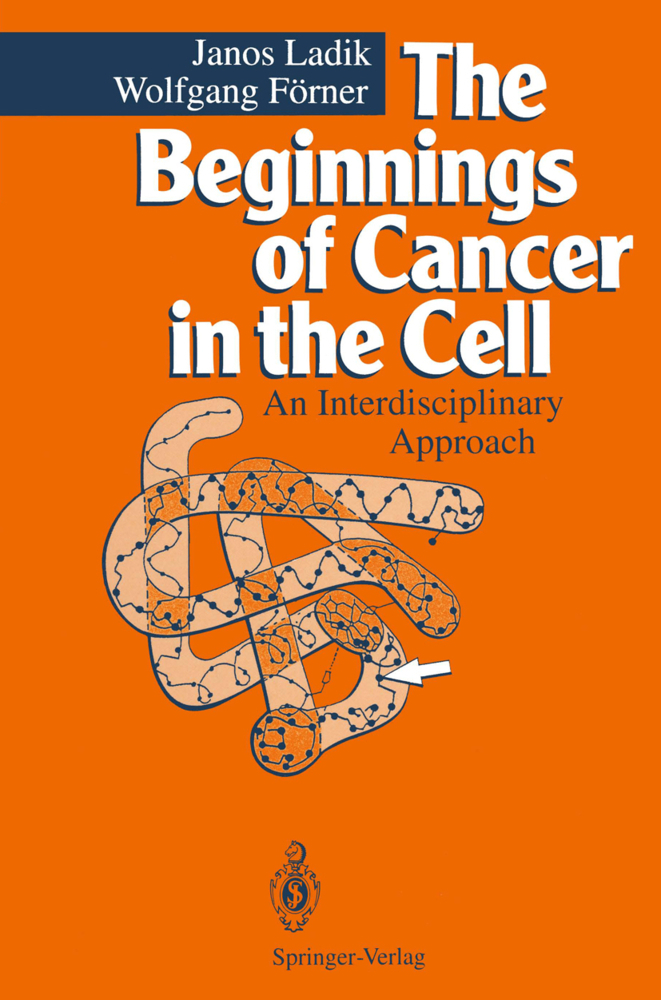
The Beginnings of Cancer in the Cell
An Interdisciplinary Approach
Initiation of cancer in the cell is experimentally related to action of chemicals and radiation. For understanding the first steps of this interaction, approved methods from quantum theory and solid state physics are applied by the authors.
The approach of this book is interdisciplinary. Theoretical models are qualitatively applied. Known effects, like oncogene activation, anti-oncogenes, and disturbances of the cell's self-regulation are explained. The authors propose possible points of intervention in the cancer initiation process based on the theoretical considerations.
References
1 Do We Carry the Cause of Cancer in Our Genes?
1.1 Viral Cancer Causing Genes
1.2 Oncogenes in Plants and Animals
1.3 Human Cancer Causing Genes
References
2 Activation of Cancer-Causing Genes (Biochemical Discussion)
2.1 Activation of Oncogenes Through Mutations
2.2 Overactivation of Some Normal Genes
2.3 Other Biochemical Possibilities of Oncogene Activation
References
3 The Role of External Factors in the Start of the Cancerous Change in a Cell
3.1 Different Cancer Initiating Chemical Compounds (Carcinogens) and Their Most Important Reactions in the Cell
3.2 The Role of Electromagnetic and Particle Radiation
3.3 Other Factors Involved in Cancer Initiation, e.g. Role of Trace Elements in the Cell, Heat or Continous Local Pressure
3.4 The Role of a Second Group of Chemicals: Cancer Promoters
References
4 A Brief Summary of the Structure of DNA and Proteins and their Biological Role
4.1 The Chemical and Geometrical Structure of DNA and Proteins
4.2 The Biological Role of DNA and Proteins
References
5 Mechanism of Oncogene Activation or Antioncogene Inactivation by External Factors
5.1 Carcinogens and Radiation Affect DNA Not Only Locally
5.2 Local Effects of Carcinogens and Their Effect on Oncogene Activation (Point Mutations)
5.3 Different Long Range Physical Effects of Carcinogens
5.4 The Effects of Radiation on DNA
References
6 The Disturbance of Cell-Self-Regulation Due to Oncogene Activation and Antioncogene Inactivation
6.1 Changes in Protein Structures and Concentrations Due to Oncogene Activation and Antioncogene Inactivation
6.2 Qualitative Description of a Mathematical Model for the Chemical Reactions Characterizing Living Cells and Their Ensembles
6.3 Model for a Cell with a Changed Stationary State (Initiation of the Cancerous State)
References
7 The Role of the Central Nervous System in the Malignant Transformation of Cells in Higher Organisms
References
8 What Should Be Done
8.1 Introduction
8.2 Some Cancer-Cell-Specific Curative Methods
8.3 Developments in Early Tumor Detection
8.4 Possibilities of Prevention of Cancer
References
Appendix: Outlines of a More General Theory of Cancer Initiation in the Cell
A.1 Introductory Remarks
A.2 Proteins as Good Disordered Amorphous Semiconductors
A.3 The Normal and Cancerous State of Living Matter
References.
The approach of this book is interdisciplinary. Theoretical models are qualitatively applied. Known effects, like oncogene activation, anti-oncogenes, and disturbances of the cell's self-regulation are explained. The authors propose possible points of intervention in the cancer initiation process based on the theoretical considerations.
Preface
(The History of Cancer)References
1 Do We Carry the Cause of Cancer in Our Genes?
1.1 Viral Cancer Causing Genes
1.2 Oncogenes in Plants and Animals
1.3 Human Cancer Causing Genes
References
2 Activation of Cancer-Causing Genes (Biochemical Discussion)
2.1 Activation of Oncogenes Through Mutations
2.2 Overactivation of Some Normal Genes
2.3 Other Biochemical Possibilities of Oncogene Activation
References
3 The Role of External Factors in the Start of the Cancerous Change in a Cell
3.1 Different Cancer Initiating Chemical Compounds (Carcinogens) and Their Most Important Reactions in the Cell
3.2 The Role of Electromagnetic and Particle Radiation
3.3 Other Factors Involved in Cancer Initiation, e.g. Role of Trace Elements in the Cell, Heat or Continous Local Pressure
3.4 The Role of a Second Group of Chemicals: Cancer Promoters
References
4 A Brief Summary of the Structure of DNA and Proteins and their Biological Role
4.1 The Chemical and Geometrical Structure of DNA and Proteins
4.2 The Biological Role of DNA and Proteins
References
5 Mechanism of Oncogene Activation or Antioncogene Inactivation by External Factors
5.1 Carcinogens and Radiation Affect DNA Not Only Locally
5.2 Local Effects of Carcinogens and Their Effect on Oncogene Activation (Point Mutations)
5.3 Different Long Range Physical Effects of Carcinogens
5.4 The Effects of Radiation on DNA
References
6 The Disturbance of Cell-Self-Regulation Due to Oncogene Activation and Antioncogene Inactivation
6.1 Changes in Protein Structures and Concentrations Due to Oncogene Activation and Antioncogene Inactivation
6.2 Qualitative Description of a Mathematical Model for the Chemical Reactions Characterizing Living Cells and Their Ensembles
6.3 Model for a Cell with a Changed Stationary State (Initiation of the Cancerous State)
References
7 The Role of the Central Nervous System in the Malignant Transformation of Cells in Higher Organisms
References
8 What Should Be Done
8.1 Introduction
8.2 Some Cancer-Cell-Specific Curative Methods
8.3 Developments in Early Tumor Detection
8.4 Possibilities of Prevention of Cancer
References
Appendix: Outlines of a More General Theory of Cancer Initiation in the Cell
A.1 Introductory Remarks
A.2 Proteins as Good Disordered Amorphous Semiconductors
A.3 The Normal and Cancerous State of Living Matter
References.
Anmelden
| ISBN | 978-3-642-78986-1 |
|---|---|
| Medientyp | Buch |
| Copyrightjahr | 2012 |
| Verlag | Springer, Berlin |
| Umfang | VII, 194 Seiten |
| Abbildungen | VII, 194 p. |
| Sprache | Englisch |